How to reduce your power bill: 10 tips every Kiwi should know
Power bills are a growing concern for many Kiwi households. With electricity costs on the rise and more families looking for ways to save, small changes can make a big difference. This guide brings together trusted advice to show practical, cost-effective ways to reduce your power bill. These tips are simple, doable, and designed to fit the busy lifestyles of New Zealanders.
READ TIME: 5 MINS
In this article
1. Use cold water for laundry
Around a third of household energy use comes from heating water. Switching to cold washes can save the average family about $65 per year. For most loads, modern detergents work just as well in cold water. Reserve hot washes for heavily soiled items.

2. Shorten showers
A 15-minute shower can cost about $1.25 in electricity. Cutting just a few minutes off daily showers adds up to big annual savings - up to $100 for a family of four. Installing a low-flow shower head also reduces hot water use without sacrificing comfort.
3. Adjust your heat pump settings
Heating and cooling account for nearly 30% of household energy use. Set your heat pump to 18–20°C in winter and as high as possible in summer (the lower the cooling temp, the more power you use). Cleaning filters regularly improves efficiency, while closing curtains at dusk keeps heat in.
4. Switch off appliances at the wall
Standby power can waste around 5% of your household’s electricity use. That’s money lost on devices that aren’t even being used. Turning appliances off at the wall (especially TVs, chargers, and entertainment systems) reduces this hidden drain.
5. Shift usage to off-peak times
If you’re on a time-of-use plan, running appliances at night or during weekends is always a good thing to do. Washing machines, dishwashers, and EV chargers are perfect for timers. According to the Electricity Authority, reducing peak-time use also helps keep the grid stable and reduces reliance on fossil fuels.
6. Maintain your appliances
Regular maintenance makes appliances work more efficiently. Vacuum your heat pump filters, defrost your freezer, and check your fridge seals. Even small improvements in efficiency lower your running costs and extend the life of your appliances.
7. Improve insulation and draught-proofing
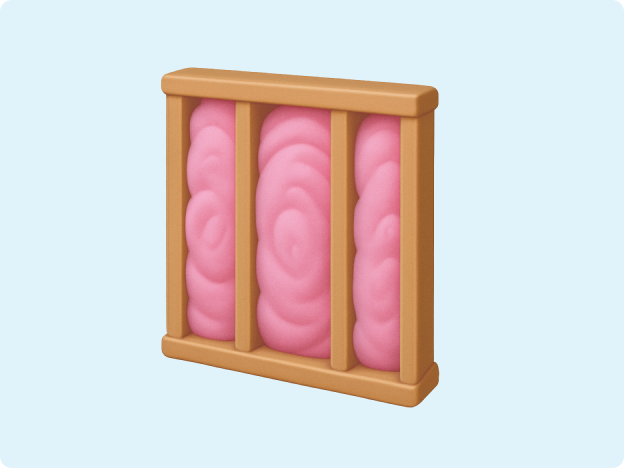
Good insulation is one of the most effective ways to cut heating bills. If you’re renting, focus on quick wins: use draught stoppers under doors, close curtains early, and block gaps around windows. Landlords are required to meet Healthy Homes standards, so check your rights if your property is under-insulated.
8. Use energy-efficient lighting
LED bulbs use up to 85% less power than traditional incandescent bulbs and last much longer. Replacing old bulbs throughout your home can save about $125 a year on lighting costs. They’re also now affordable and widely available.

9. Understand your power bill
Electricity bills can be confusing, with daily charges, unit rates, and seasonal variations. Learning how to read your bill helps identify where costs are coming from.

10. Get your household involved
Saving power works best when it’s a team effort. Encourage kids to turn lights off, set family shower limits, and share progress on reducing bills.
Extra tip: Plan for the seasons
Energy use spikes in winter for heating and in summer for cooling. Make seasonal adjustments: layer clothing in winter, use fans before turning on heat pumps in summer, and schedule heavy appliance use when rates are cheaper.

Typically overnight or weekends on time-of-use plans, but it depends on your provider.
Hot water and heating are usually the biggest expenses, followed by clothes dryers and old fridges.
No. EECA confirms it’s more efficient to heat only when needed.
Yes. Smart plugs let you schedule appliances to switch off or run off-peak, which reduces wasted energy.
Reducing your power bill doesn’t have to mean sacrificing comfort. By focusing on cost-effective, practical tips like shorter showers, efficient heating, and off-peak usage, you can make a noticeable difference to your household budget. Combine these actions with seasonal planning and awareness of your bill, and you’ll be well on your way to lowering costs while helping the environment.
Please note: This best practice advice is sourced from in-house experts and EECA as of September 15th, 2025.